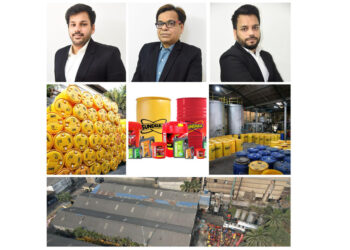



Dr. Banee Bandana Das, Associate Head (AAI) & Assistant Professor, AI Technology Institute (AiTI), SRM University-AP, Amaravati, India
“Education is not merely about preparing minds for the future; it is also about preparing society to face its greatest challenges.”

Natural disasters test not only a state’s infrastructure but also the strength, unity and preparedness of its people. Cyclone Murasu in Andhra Pradesh reminds us of the importance of collective responsibility, timely action and compassionate leadership. While government agencies and disaster management teams play a vital role in emergency response, academicians also have an important responsibility in building an informed, prepared and resilient society.
Beyond Classrooms: Academicians as Community Leaders
The role of an academician extends far beyond teaching and research. During challenging situations such as cyclones, teachers and faculty members can become valuable sources of awareness, guidance and social support. By sharing verified information about weather alerts, evacuation procedures, emergency contacts and safety measures, they can help students and their families make informed decisions.
Educational institutions can organise awareness programmes, encourage students to follow official advisories and promote responsible communication. Academicians can also guide students to avoid spreading rumours and unverified information on social media, which may create unnecessary panic during emergencies.
Knowledge, Innovation and Social Responsibility
Academicians can contribute through research, innovation and interdisciplinary collaboration. Engineering faculty members can explore solutions related to flood monitoring, early-warning technologies, resilient infrastructure and disaster prediction. Computer science researchers can develop digital platforms for emergency communication, resource mapping and information dissemination. Social science scholars can study community vulnerabilities and identify effective strategies for rehabilitation and recovery.
Such initiatives demonstrate how academic knowledge can be transformed into practical solutions for society.
Students as Young Volunteers and Change Makers
Students are powerful agents of social transformation. Under proper institutional guidance and in coordination with authorised agencies, they can participate in relief awareness campaigns, community outreach, resource collection and post-disaster support activities. National Service Scheme (NSS) and other student organisations can play a meaningful role in promoting community engagement.
Academicians, through mentorship and responsible leadership, can nurture empathy, teamwork and civic responsibility among students.
Building a Culture of Preparedness
The lessons from Cyclone Murasu should encourage educational institutions to strengthen their disaster preparedness mechanisms. Regular mock drills, emergency response plans, first-aid awareness sessions and disaster management workshops can help create safer campuses and more confident communities.
Ultimately, academicians must lead not only through knowledge but also through action and example. Their contribution can bridge the gap between scientific information and public awareness.
Conclusion
Cyclone Murasu is a reminder that resilience is built through knowledge, preparedness and collective action. Academicians have the unique ability to connect education with social responsibility and transform students into responsible citizens.
When classrooms become centres of awareness, research becomes a tool for solutions and students become agents of service, education truly fulfils its greater purpose.
A resilient society begins with informed minds, compassionate hearts and leaders who inspire action.